Sculptural Architecture
Live Inside Sculpture
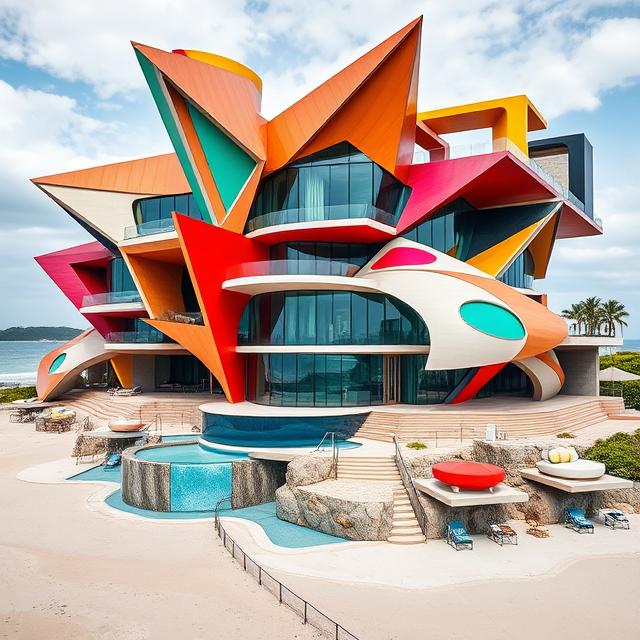
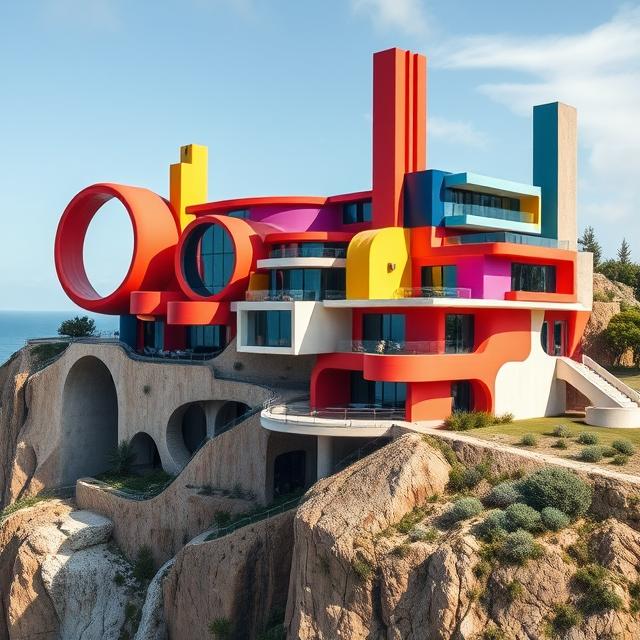
Architecture conceived as sculpture.
Private luxury residences shaped by sculptural form.
Developed with architects, engineers, and builders to create extraordinary living environments.
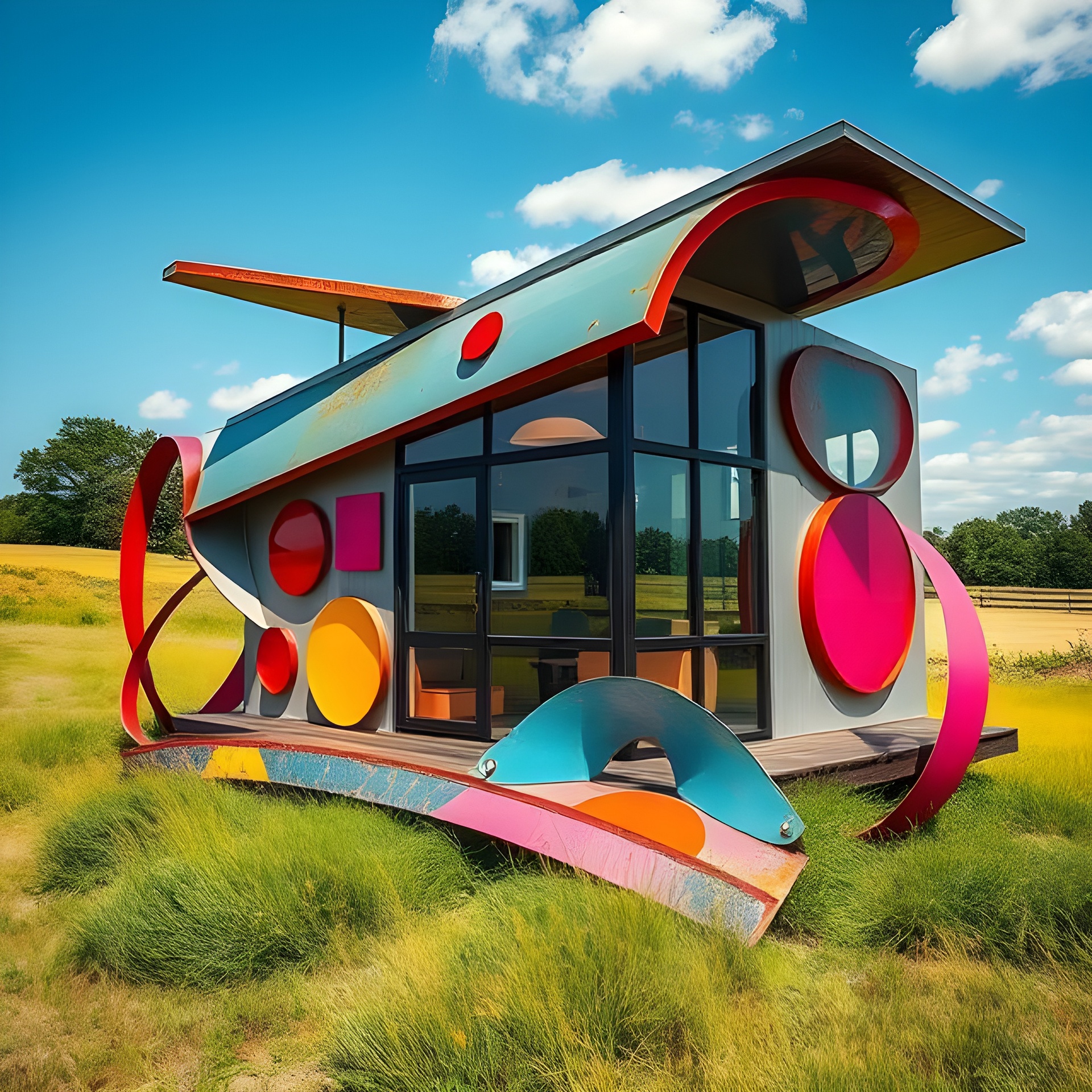
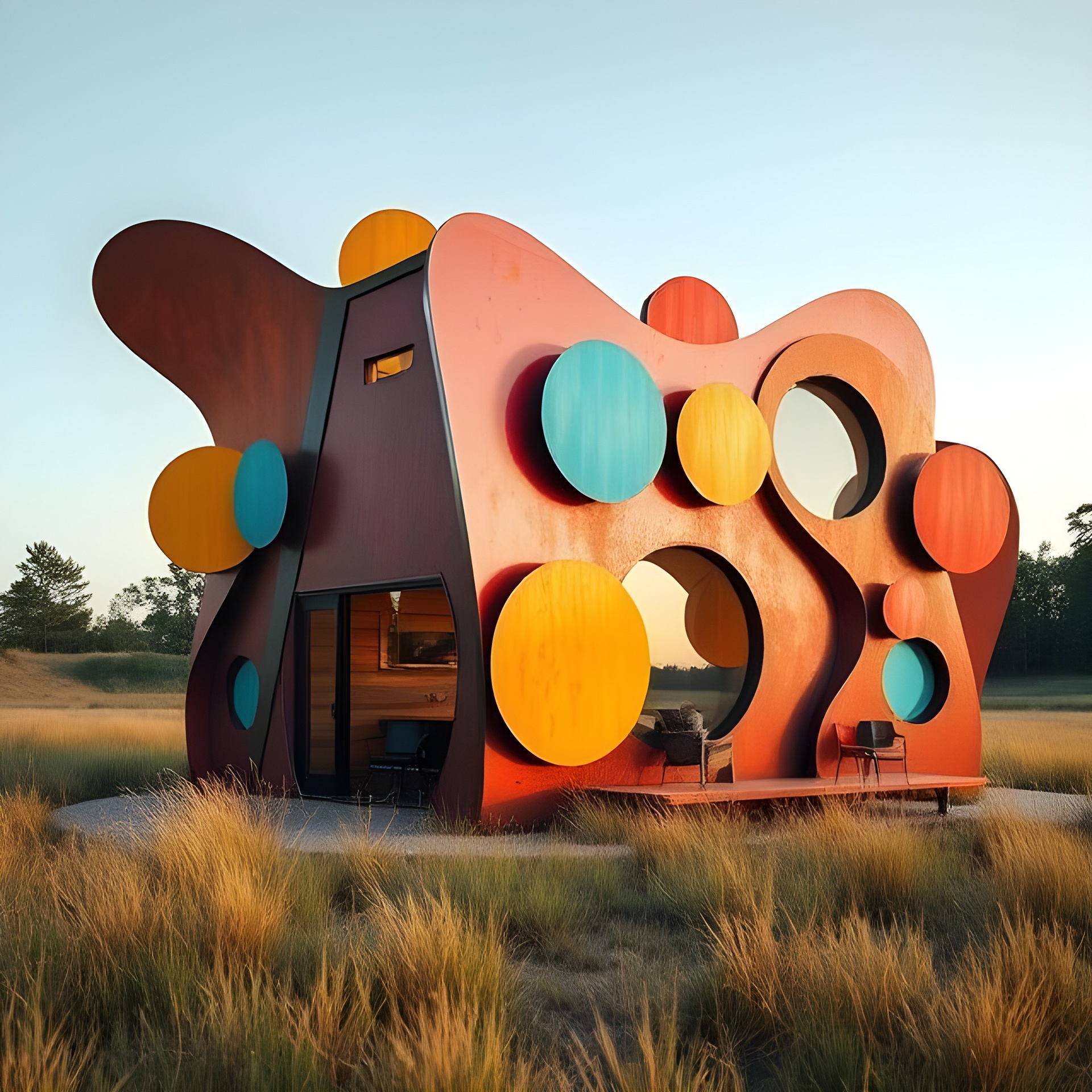
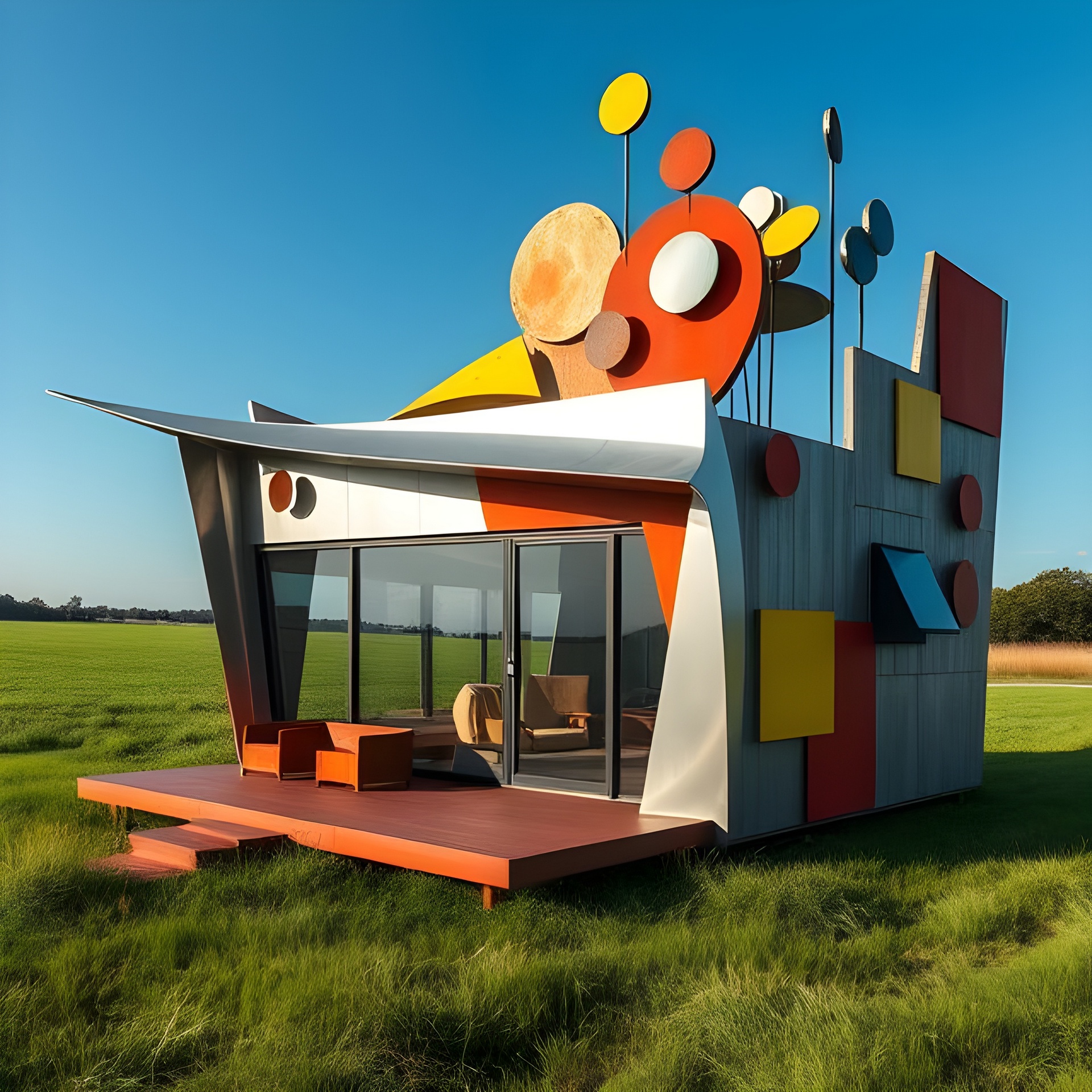
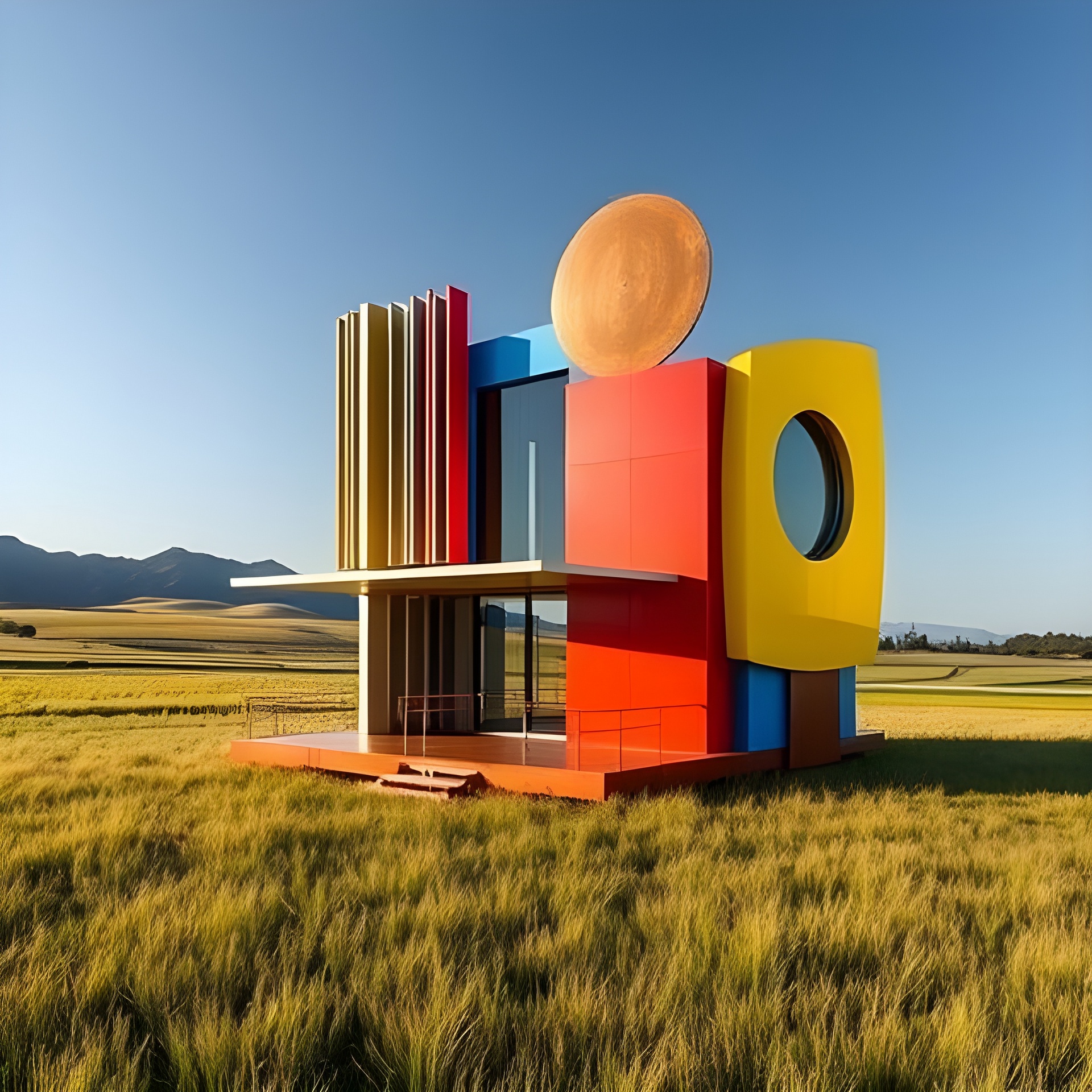
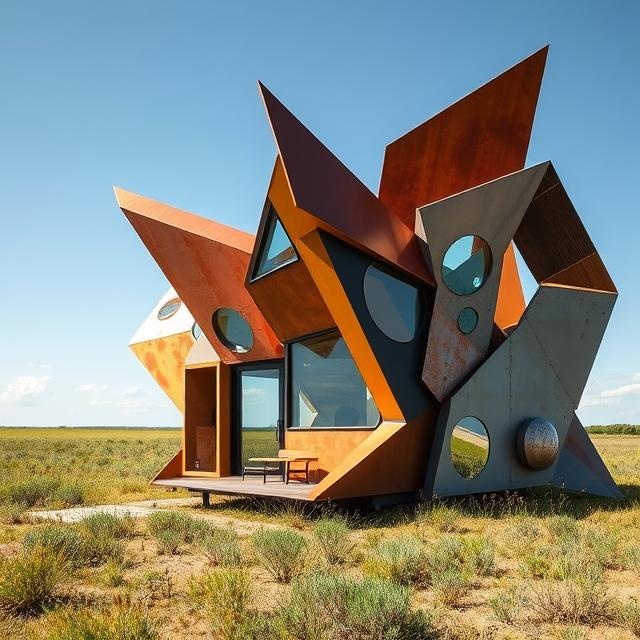
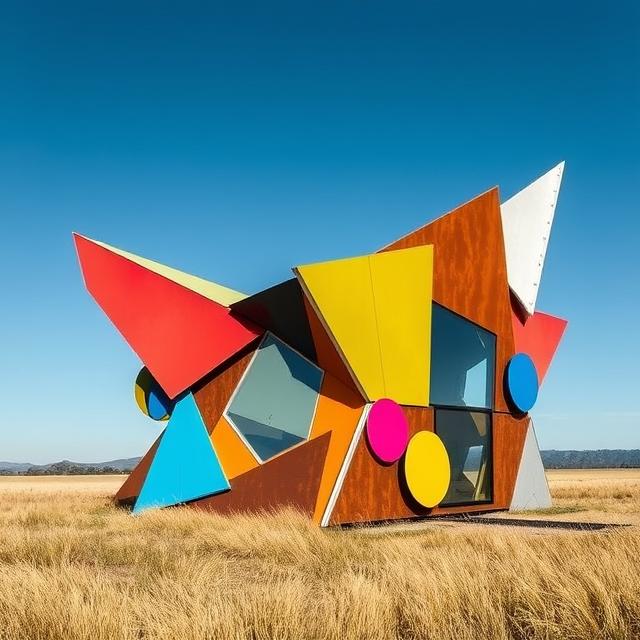
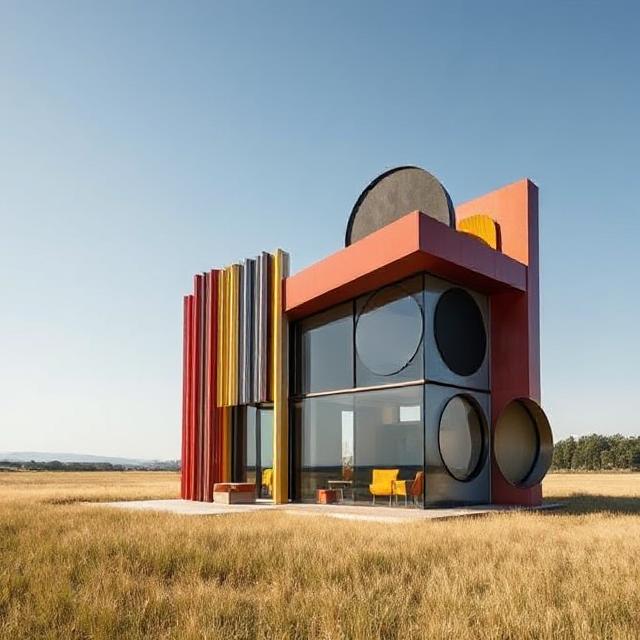
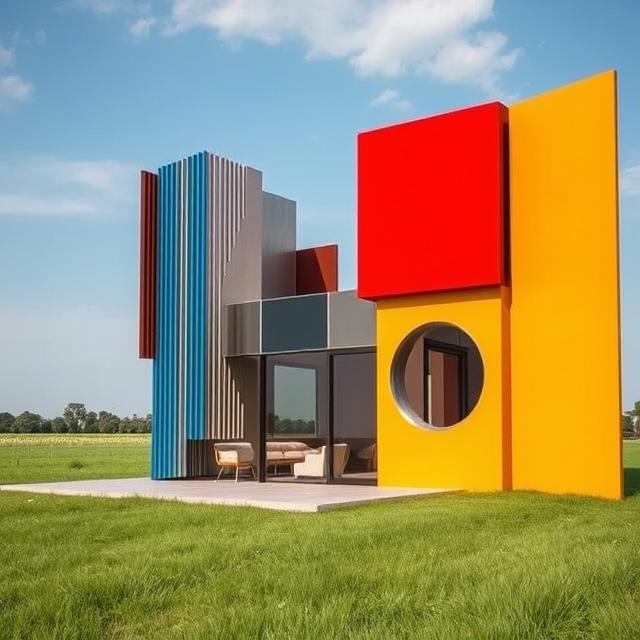
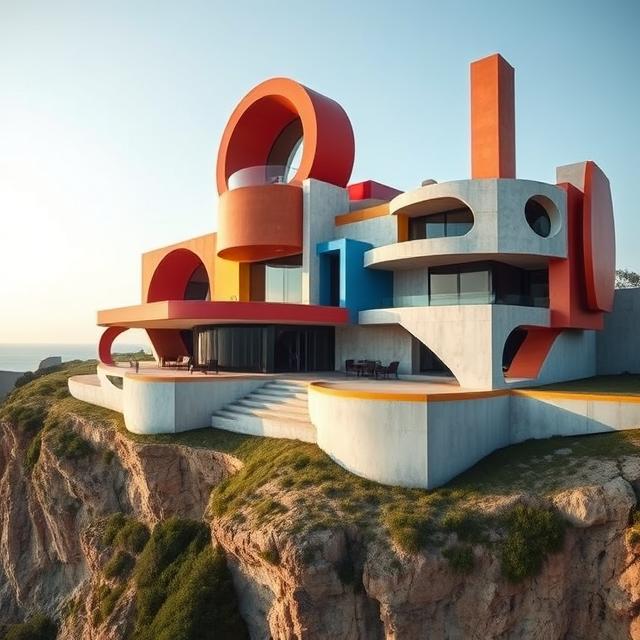
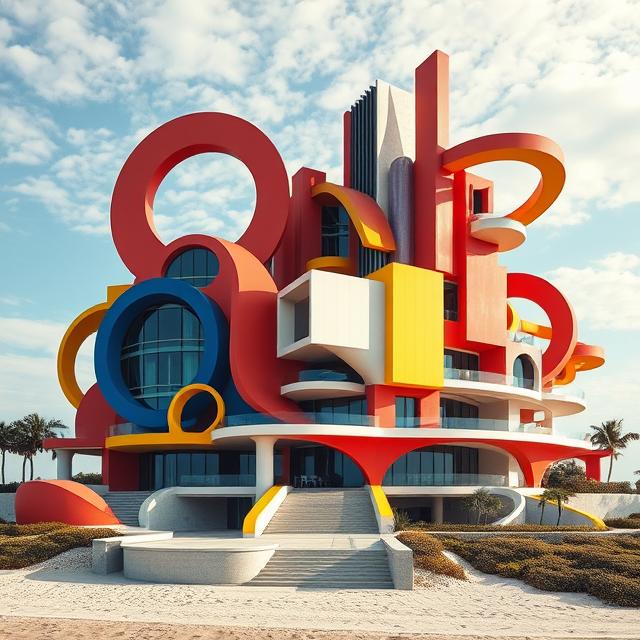
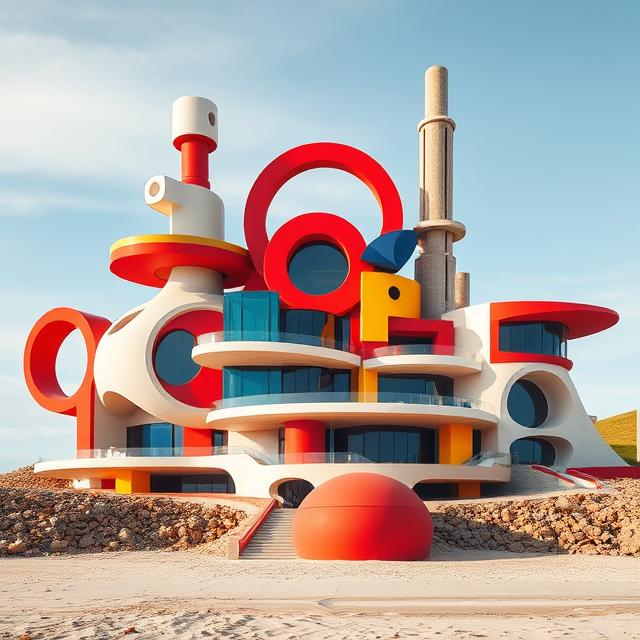
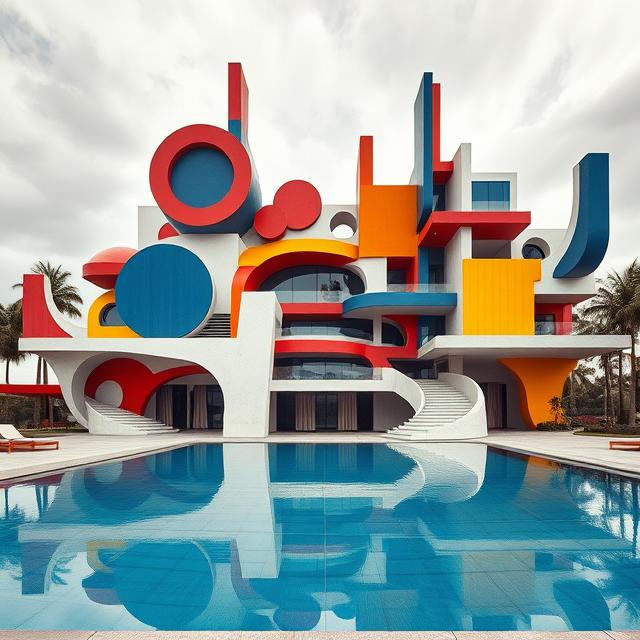
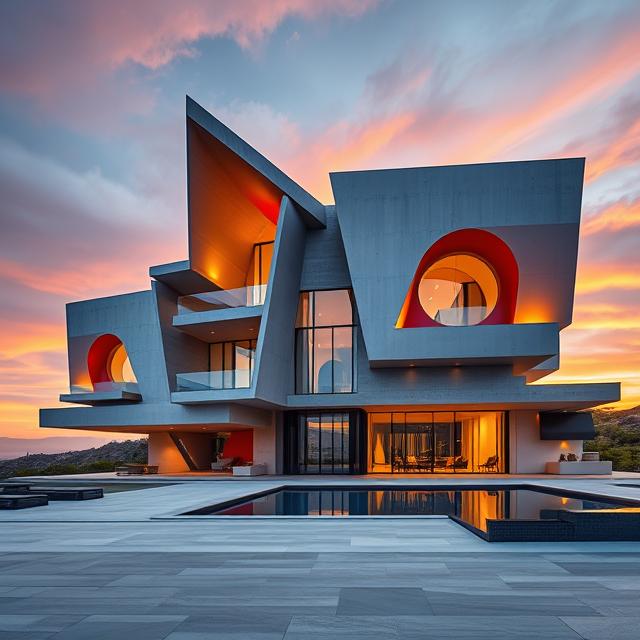
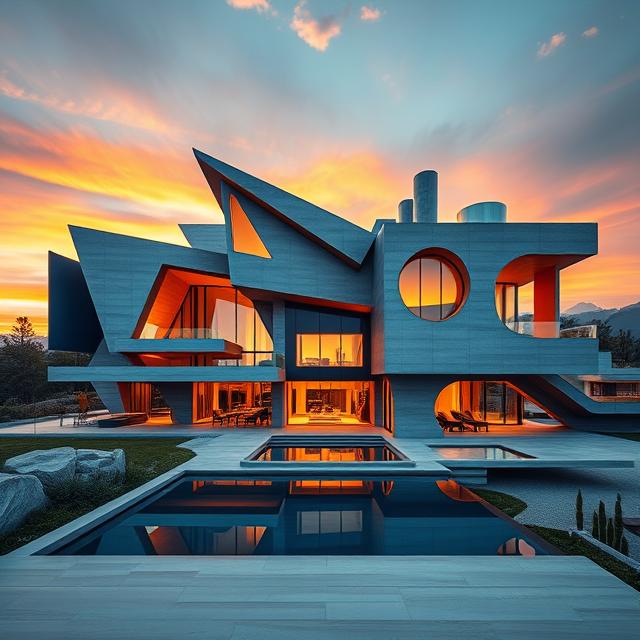
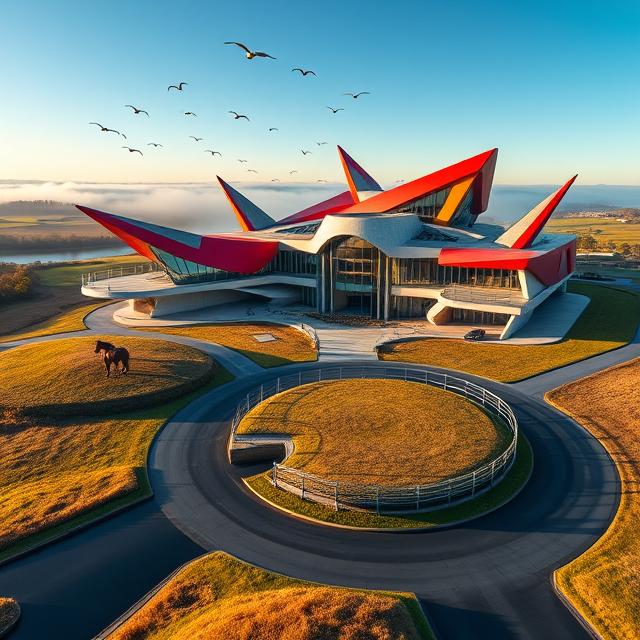
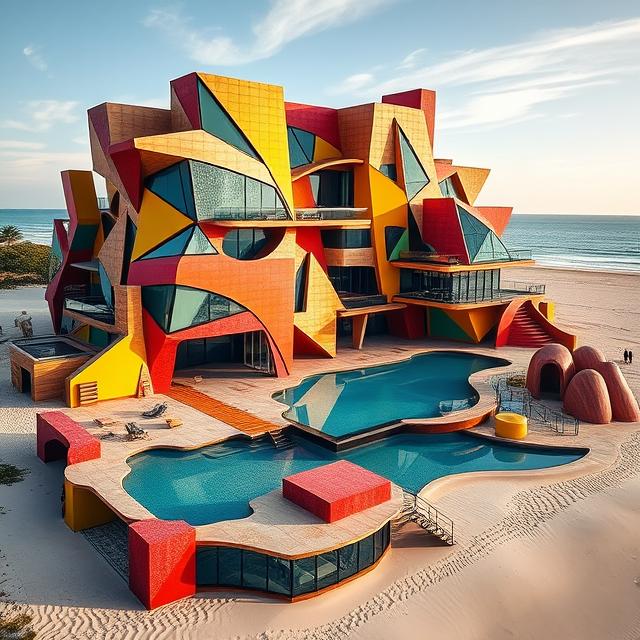
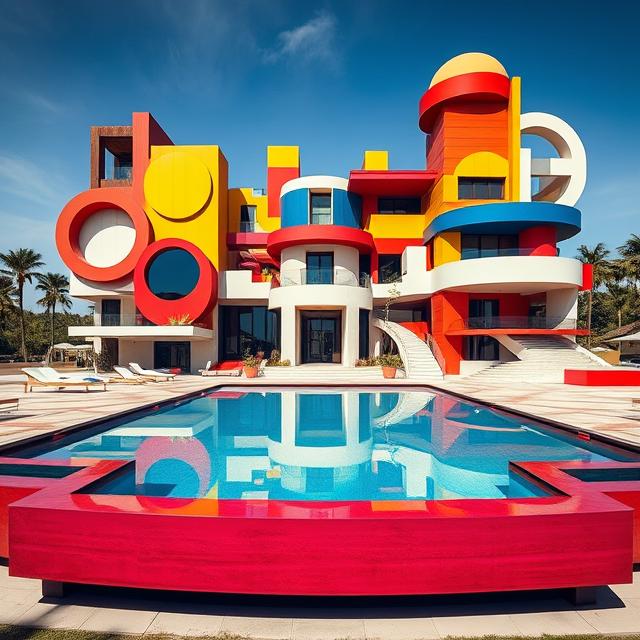
A sculptural residence transforms architecture into inhabitable art.
These projects explore buildings shaped by sculptural form, where structure, landscape, and interior space merge into a single environment.
Rather than adding sculpture to architecture, the architecture itself becomes the sculpture.
Each project is developed as a site-specific environment where sculptural form, structural engineering, and architectural design are integrated from the beginning.
Concept studies are shown in the gallery below.
A detailed construction and development framework follows the images to illustrate how projects of this scale move from concept to completion.
Lower on the page are Addition Dwelling Units (ADU) that offer smaller studio type concepts.
Collaborative Development
Sculptural residences are developed through collaboration with licensed architects, structural engineers, luxury residential builders, and specialized fabricators.
The sculptural concept establishes the visual and spatial identity of the residence, while the architectural and construction teams ensure that the structure meets all engineering, safety, and regulatory requirements.
Projects of this scale require coordination across multiple disciplines, including:
• architectural design
• structural engineering
• specialized metal fabrication
• luxury residential construction
• landscape architecture
• interior design
This collaborative approach allows sculptural architecture to be executed at the highest level of craftsmanship and engineering precision.
Sculptural Residences that define extraordinary
Built in collaboration with seasoned architects, builders, and fabricators.
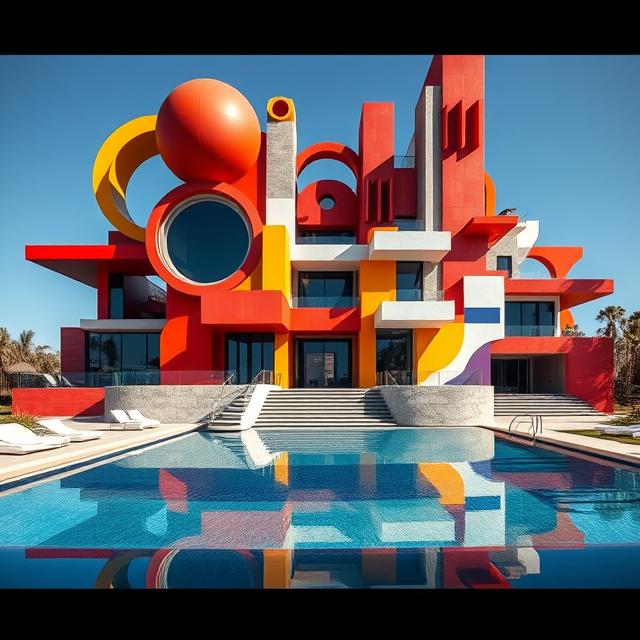
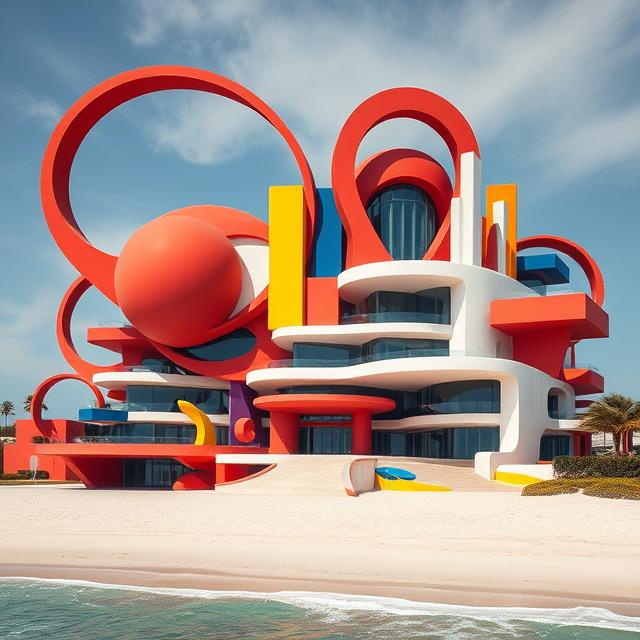
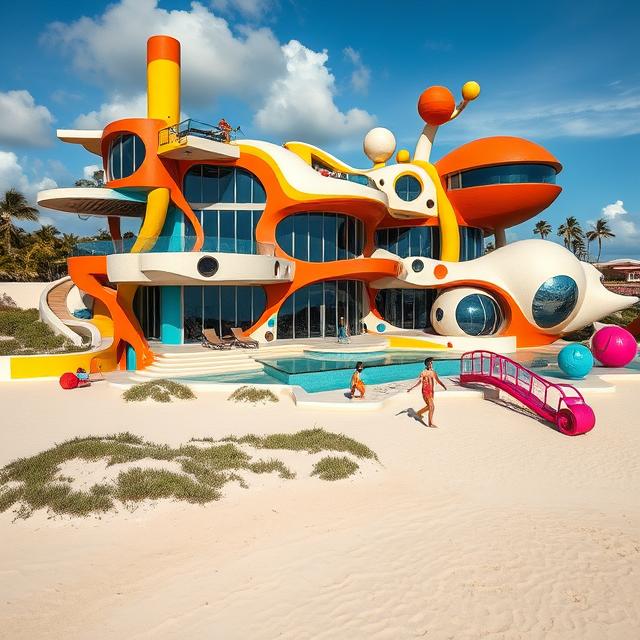
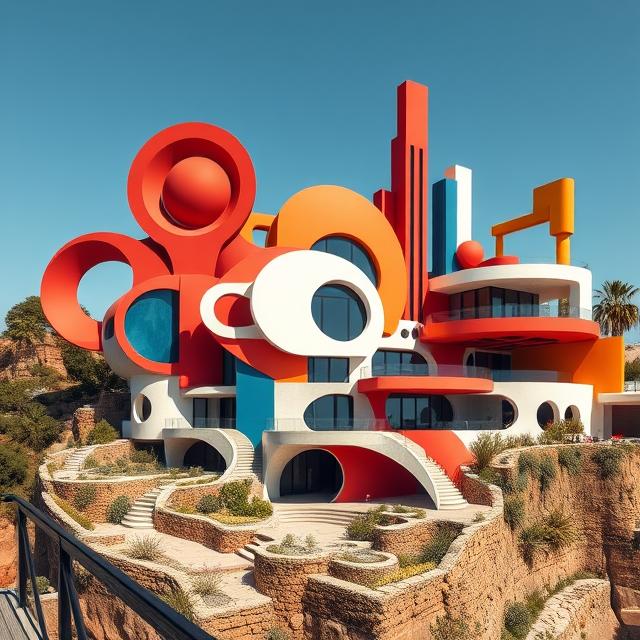
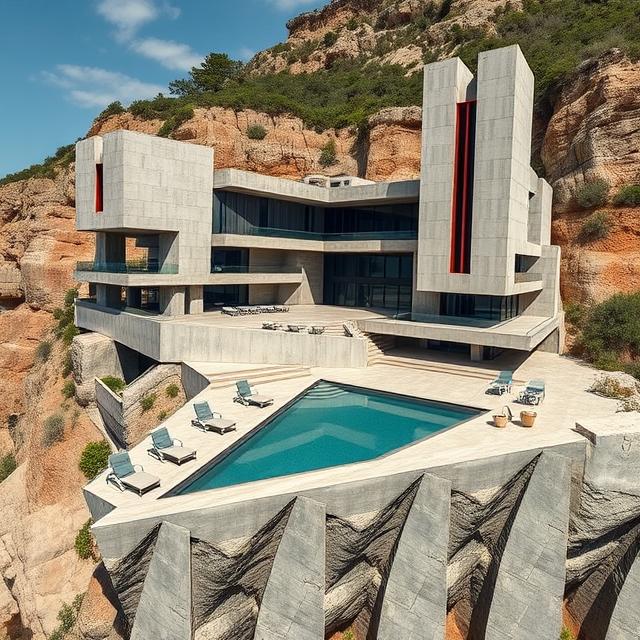
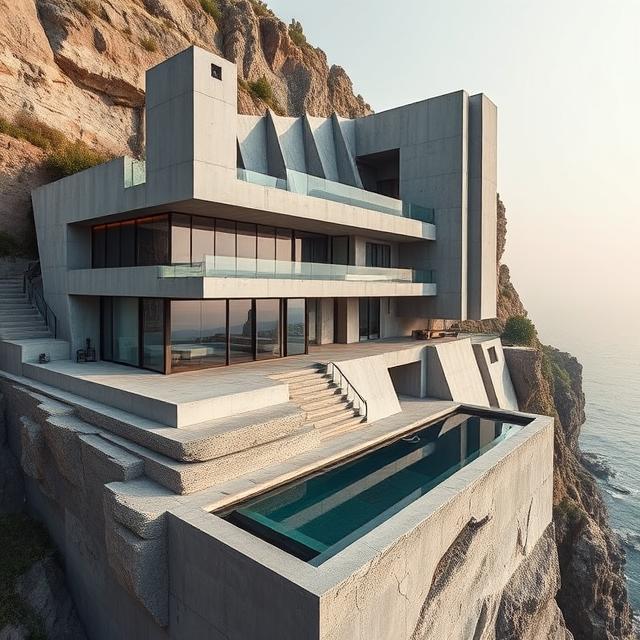
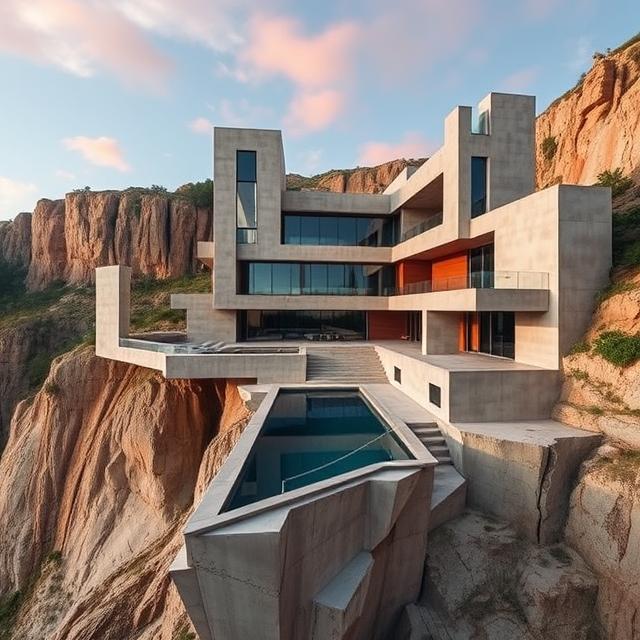
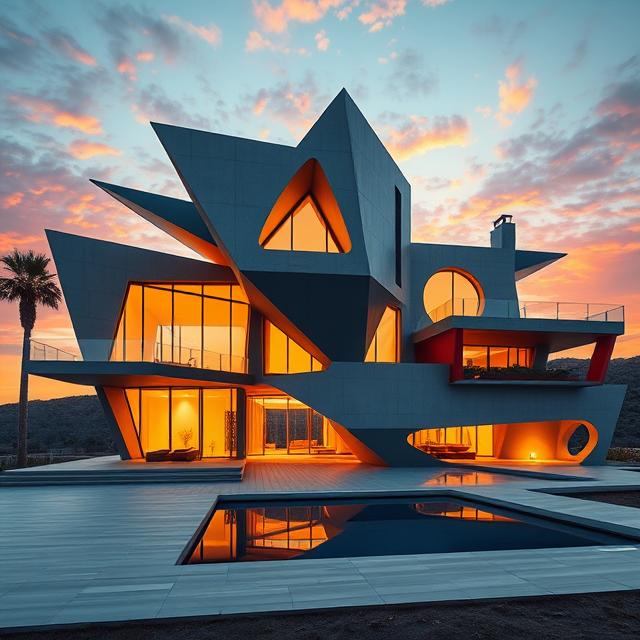



Luxury Sculpture Residence Construction Sequence Guide
Designing and constructing a sculptural home is an inspiring—and highly detailed—journey. Belowis a broad overview of the construction process to demonstrate what’s involved in bringing a work of livable art to life.
This list may seem extensive, and that’s the point. You don’t need to know every detail.
My team collaborates with seasoned architects, structural engineers, and world-class builders who specialize in delivering complex, custom projects with precision, creativity, and excellence.
From permits and foundations to final finishes and landscaping, every phase is professionally managed with your comfort and vision in mind.
Another more detailed list:
Sculptural Residence Development and Construction Sequence
Creating a sculptural residence requires coordination between artistic design, architecture, engineering, fabrication, and high-end residential construction.
Projects are developed in collaboration with licensed architects, structural engineers, luxury residential contractors, specialized fabricators, and landscape architects.
The following sequence outlines the typical phases involved in bringing a sculptural residence from concept to completion. Individual projects vary depending on site conditions, architectural design, and regional building requirements.
Phase 1 – Site Selection and Feasibility
1. Select building site
2. Conduct site survey and topographic analysis
3. Review zoning regulations and development restrictions
4. Conduct geotechnical soil analysis
5. Confirm availability of utilities or septic requirements
6. Evaluate site orientation, views, and environmental factors
7. Identify optimal placement for architectural and sculptural elements
8. Establish preliminary project scope and development budget
Phase 2 – Concept Design and Project Development
9. Develop initial sculptural residence concept
10. Collaborate with architect to integrate sculptural form with architectural planning
11. Conduct structural feasibility review with engineers
12. Develop preliminary architectural drawings and spatial layouts
13. Produce conceptual models or maquettes of sculptural elements
14. Establish fabrication strategies for sculptural components
15. Evaluate structural support requirements for integrated sculptures
16. Refine design based on engineering and site constraints
17. Establish preliminary construction schedule and cost framework
Phase 3 – Architectural and Engineering Design
18. Develop full architectural drawings and specifications
19. Complete structural engineering design
20. Integrate mechanical, electrical, and plumbing systems
21. Coordinate lighting design with sculptural architecture
22. Develop exterior materials and structural envelope strategy
23. Design custom architectural and sculptural components
24. Coordinate with specialized fabricators for sculptural elements
25. Finalize interior spatial planning and circulation
Phase 4 – Permitting and Pre-Construction Planning
26. Prepare construction documentation for permitting
27. Submit architectural plans for building approval
28. Address zoning reviews and variance requirements if applicable
29. Obtain building permits and regulatory approvals
30. Establish final construction budget and financing
31. Select general contractor and construction team
32. Secure builder’s risk insurance and project coverage
33. Order long-lead construction materials and components
Phase 5 – Site Preparation
34. Prepare construction access and staging areas
35. Install temporary utilities and site infrastructure
36. Establish project layout and building footprint
37. Excavate site and prepare foundation areas
38. Install drainage systems and utility connections
39. Prepare foundation forms and structural reinforcement
Phase 6 – Foundation and Structural Base
40. Construct structural foundation system
41. Install reinforced structural supports required for sculptural loads
42. Integrate mounting systems for sculptural components
43. Complete foundation inspection and structural verification
44. Backfill foundation and prepare structural base for framing
Phase 7 – Structural Framing and Building Envelope
45. Erect primary structural frame of residence
46. Install structural components supporting sculptural elements
47. Construct roof structure and structural shell
48. Install exterior sheathing and weather barriers
49. Install windows, glazing systems, and exterior doors
50. Complete roofing systems and waterproofing
51. Apply exterior architectural materials and cladding
Phase 8 – Mechanical, Electrical, and Plumbing Systems
52. Install rough plumbing infrastructure
53. Install electrical systems and wiring
54. Install HVAC and environmental systems
55. Integrate smart-home technology infrastructure
56. Install structural supports and conduits for sculptural lighting
57. Conduct system inspections and approvals
Phase 9 – Interior Construction
58. Frame interior partitions and structural spaces
59. Install insulation and acoustic systems
60. Install interior wall systems and ceilings
61. Install interior flooring substrates
62. Install stairways and structural interior features
63. Install interior doors, cabinetry, and architectural millwork
Phase 10 – Sculptural Fabrication and Installation
64. Fabricate sculptural architectural elements with specialized fabricators
65. Transport sculptural components to construction site
66. Install structural mounting systems and anchors
67. Install integrated interior sculptural elements
68. Install exterior sculptural features
69. Integrate sculptural lighting and visual effects
70. Coordinate structural inspections of installed elements
Phase 11 – Interior Finishes and Systems Completion
71. Install finished flooring materials
72. Install architectural lighting systems
73. Install plumbing fixtures and mechanical systems
74. Install appliances and integrated technologies
75. Complete painting, surface finishes, and detailing
76. Conduct quality inspections of architectural and sculptural elements
Phase 12 – Exterior Completion and Landscape Integration
77. Complete exterior architectural finishes
78. Install exterior lighting systems
79. Construct outdoor terraces, decks, and access paths
80. Integrate sculptural landscape elements
81. Coordinate landscape architecture and planting design
Phase 13 – Final Commissioning
82. Conduct final inspections and code compliance reviews
83. Complete construction punch list and corrections
84. Perform system testing and commissioning
85. Obtain final occupancy certification
86. Conduct final project walkthrough with client
Phase 14 – Documentation and Completion
87. Document completed sculptural residence through photography and architectural documentation
88. Archive fabrication and design records for sculptural components
89. Establish maintenance and care guidelines for sculptural elements
90. Finalize project documentation and closeout
Completion
The result is a residence that integrates sculpture, architecture, engineering, and landscape into a single environment.
A home designed not only to be lived in, but to exist as a lasting work of art.
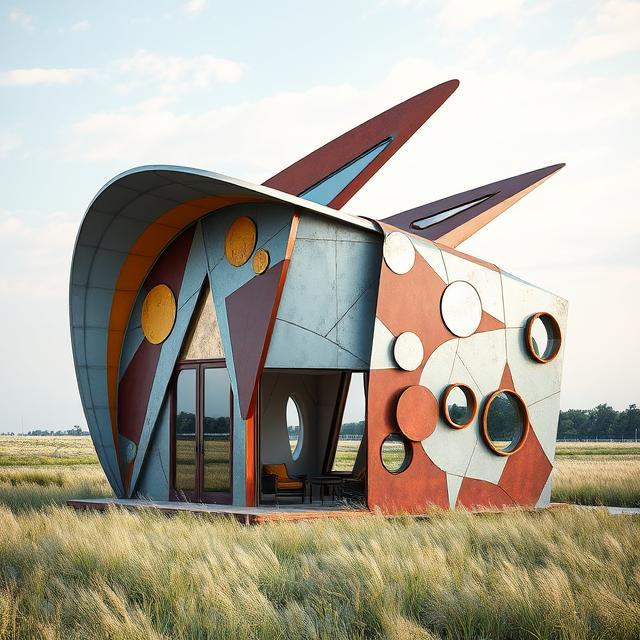
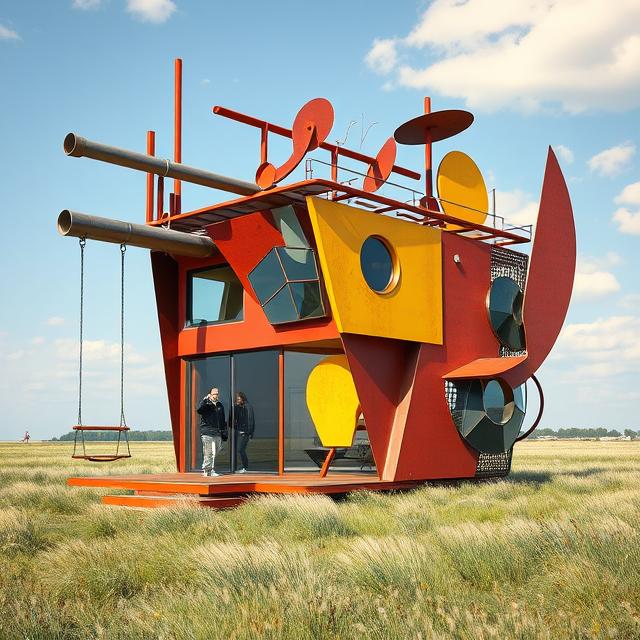
Compact Sculptural Living
Auxiliary Dwelling Units (ADUs) offer a practical way to expand
residential space without acquiring additional land.
These smaller structures can function as guest houses, private
studios, rental residences, or independent living spaces.
The same sculptural design principles used in larger architectural
works can be applied at a smaller scale, creating compact structures
where architecture and sculpture are integrated from the beginning.
Sculptural ADUs are developed as site-specific designs that
respond to the surrounding landscape, existing buildings, and local
zoning requirements.
While more compact than full sculptural residences, these
structures can still serve as distinctive architectural features
within a property.
Concept studies for sculptural ADUs are shown below